Hamilton Terrace upholstery cleaning tips for St Johns Wood flats
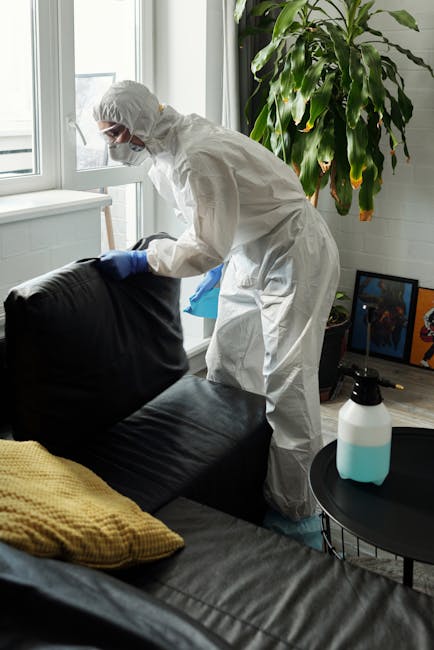
If you live in a Hamilton Terrace flat, you already know the challenge: smart interiors, compact rooms, and upholstery that seems to collect everything from city dust to tea spills and pet hair. The good news is that Hamilton Terrace upholstery cleaning tips for St Johns Wood flats do not have to be complicated. With the right routine, you can keep sofas, dining chairs, headboards, and occasional armchairs looking fresher for longer without risking shrinkage, colour fade, or that dreaded water mark that shows up at the worst possible moment.
This guide focuses on practical, London-friendly advice for flat living: what works, what can go wrong, and when a more thorough clean makes sense. You will also find a clear step-by-step approach, a useful checklist, and some plain-English guidance on fabric care, stain removal, and the realities of cleaning upholstery in apartment settings. Let's make it manageable. Not perfect, just properly manageable.
Expert summary: the safest upholstery cleaning routine for St Johns Wood flats is usually a gentle one: identify the fabric, vacuum carefully, spot-test every solution, use minimal moisture, and dry the area quickly with good ventilation. That simple process prevents most avoidable damage.
Why Hamilton Terrace upholstery cleaning tips for St Johns Wood flats Matters
In flats, upholstery tends to work harder than people expect. A sofa may double as a reading nook, guest bed, work-from-home perch, and dinner table companion if the night is long enough. Add narrow hallways, limited drying space, and shared building rules, and even a small cleaning job can become awkward fast.
That is why Hamilton Terrace upholstery cleaning tips for St Johns Wood flats matter more than a generic "spray and scrub" approach. Apartments often have less airflow than houses, which means damp fabric can stay wet longer. Longer drying times raise the chance of odour, rings, mould spots, or accidental over-wetting. In our experience, that is where many well-meaning DIY attempts go sideways.
There is also the matter of materials. Many modern sofas and armchairs use blended fabrics, performance textiles, velvet-style finishes, or delicate weaves that react differently to water and detergent. A small mistake can leave a patch that stands out every time the afternoon light hits it. And in Hamilton Terrace flats, where natural light and decor details can be quite unforgiving, you notice these things immediately. A bit annoying, honestly.
If you are maintaining a rental, preparing for guests, or just trying to protect a decent piece of furniture, the stakes are simple: cleaner upholstery lasts longer and looks better, but only if you clean it in the right way.
How Hamilton Terrace upholstery cleaning tips for St Johns Wood flats Works
Upholstery cleaning is not one single process. It is a combination of fabric identification, loose-dirt removal, stain treatment, moisture control, and drying management. The right method depends on what the furniture is made from and how dirty it is.
Most good cleaning starts with a label check. If the furniture has a care tag, that tells you whether water-based cleaning is suitable, whether solvent cleaning is safer, or whether the item needs professional attention. This is the part people rush, and then regret later. Truth be told, the label is boring but essential.
The next stage is dry soil removal. Vacuuming lifts dust, crumbs, grit, and hair before anything gets wet. If you skip that step, the dirt can turn into a muddy paste once solution is applied. Then comes spot treatment. Small stains should be handled gently, with the least aggressive cleaner that might work. Blotting beats rubbing every time.
Finally, there is drying. In flats, drying matters just as much as cleaning. Open windows where safe, use fans if needed, and avoid sitting on the fabric until it is truly dry. If you need a deeper refresh, it can be sensible to pair upholstery work with other flat cleaning services such as sofa cleaning, rug cleaning, or a broader deep cleaning appointment, especially before tenants move in or out.
Key Benefits and Practical Advantages
The benefits of a sensible upholstery care routine are easy to underestimate until you stop doing it. Then everything looks a bit tired all at once.
- Better appearance: fabric regains its colour depth, and everyday marks become far less obvious.
- Longer furniture life: dirt acts like fine grit and can wear fibres down over time.
- Improved odour control: cooking smells, pet smells, and stale air cling to soft furnishings more than hard surfaces.
- More hygienic living space: regular cleaning removes settled dust, skin flakes, and allergens from the fabric surface.
- Better guest presentation: useful for landlords, hosts, and anyone who prefers their flat to feel looked after.
- Lower replacement costs: good maintenance delays the need to reupholster or replace expensive pieces.
There is also a quieter benefit: the room just feels calmer when upholstery is fresh. You may not say it aloud, but you will notice it on a Monday morning when the flat smells cleaner and the sofa does not look slightly apologetic.
For a lot of St Johns Wood residents, practical maintenance often sits alongside other regular home care such as regular cleaning or one-off support before a seasonal refresh. That is not overkill. It is just keeping on top of things before they become a project.
Who This Is For and When It Makes Sense
This guidance is useful for several types of flat dwellers and property managers.
- Homeowners who want to preserve good furniture for longer.
- Renters who want to avoid deposit deductions caused by visible stains or neglect.
- Landlords who need soft furnishings to present well between tenancies.
- Airbnb or short-let hosts dealing with higher turnover and more frequent marks.
- Pet owners who need to manage hair, odour, and the occasional accident.
- Families with sticky fingers, food spills, and far too many snack-based emergencies.
It makes sense to clean upholstery after a spill, after a smoky or musty smell develops, before guests arrive, after winter heating has made dust more noticeable, or ahead of an inventory inspection. If you are moving, pairing upholstery work with move out cleaning or end of tenancy cleaning can save a lot of last-minute panic.
It also makes sense when you simply do not trust the fabric to survive a DIY experiment. That is a perfectly valid reason, by the way.
Step-by-Step Guidance
Here is a practical sequence you can follow for most upholstered items in a Hamilton Terrace flat.
- Check the care label. Look for cleaning codes or fabric guidance before using any liquid.
- Test a hidden spot. Try your chosen solution on a low-visibility area first and wait for the result to dry.
- Vacuum thoroughly. Use a soft brush attachment and work slowly across seams, cushions, and creases.
- Lift crumbs and hair first. Don't wet the surface before removing loose dirt, otherwise it gets smeared around.
- Treat stains individually. Use the mildest suitable cleaner and blot rather than scrub.
- Use very little moisture. Upholstery is not a carpet. It usually needs less water than people think.
- Work from the outer edge inward. This helps prevent spreading the stain.
- Rinse carefully if needed. If the cleaner requires it, use a lightly damp cloth rather than soaking the area.
- Blot dry. Clean towels absorb excess moisture faster than air alone.
- Ventilate the room. Open a window if practical, or use gentle airflow to speed up drying.
A small note on timing: if a stain is fresh, deal with it quickly. If it has already dried, scrape away residue carefully first and then treat it. Trying to "wash harder" on an old mark often just pushes it deeper into the fibres. Not ideal.
For larger fabric items, professional support through upholstery cleaning can be a safer route than home treatment, especially if the piece is valuable or awkwardly shaped.
Expert Tips for Better Results
These are the small things that make a noticeable difference.
- Work in daylight if possible. Artificial light can hide residue, so afternoon light is better for spotting missed patches.
- Use white cloths. Coloured towels can transfer dye, especially when damp.
- Keep an eye on cushion seams. Liquid gathers there and can leave tidy-looking but stubborn rings.
- Dry cushions separately where possible. Prop them upright so air reaches both sides.
- Freshen fabric gently between deep cleans. A careful vacuum once a week is often enough to keep things respectable.
- Deal with odour at the source. If the smell is from pet urine or food residue, surface wiping alone will not solve it.
One useful habit is to rotate cushions. It sounds almost too simple, but it spreads wear and helps a sofa age evenly. Also, if one side of the room gets more sunlight, rotating can reduce visible fading. Little things. They add up.
If you are dealing with a persistent pet smell, a dedicated pet stain odour removal approach is usually more effective than just spraying fragrance over the top. The goal is removal, not camouflage.
Common Mistakes to Avoid
Most upholstery damage comes from a handful of very common mistakes.
- Skipping the fabric label. This is the fastest route to a cleaning mishap.
- Using too much water. Over-wetting can leave tide marks, padding damage, and long drying times.
- Rubbing stains aggressively. That often frays fibres and spreads the mess.
- Using bleach or harsh all-purpose cleaners. These can strip colour or weaken delicate finishes.
- Cleaning without testing. A hidden patch test is boring, yes, but very wise.
- Forgetting airflow. Damp upholstery in a sealed flat can start to smell before you know it.
- Assuming every stain is the same. Coffee, wine, oil, and ink all behave differently.
A classic mistake in apartments is trying to clean a sofa just before leaving for dinner. Then the room is shut, the windows stay closed, and the fabric dries slowly. A small drama, really, but one that repeats itself often enough to mention.
Tools, Resources and Recommendations
You do not need a van full of equipment. In fact, too much kit can make a simple job more confusing.
- Vacuum with upholstery attachment: useful for seams, edges, and delicate fabric surfaces.
- Soft-bristled brush: helps lift dust from textured materials without damaging them.
- Microfibre cloths: handy for blotting and light surface cleaning.
- White towels: useful for absorbing moisture after spot treatment.
- Mild upholstery cleaner: choose one suitable for your fabric type and always test first.
- Portable fan: helps drying in flats where airflow is limited.
- Gloves: sensible if you are working with any cleaning agent for an extended period.
For more persistent stains, unusual fabrics, or full-room refreshes, you may want a professional visit that also fits around your broader domestic routine, such as domestic cleaning or house cleaning. That can be particularly helpful if you are coordinating several tasks at once and do not want to spend the whole weekend cleaning soft furnishings by hand.
If the flat has recently had dust, plaster, or renovation residue floating about, services like after builders cleaning can support the wider reset. Upholstery often collects fine dust long after the obvious mess has been cleared.
Law, Compliance, Standards, or Best Practice
For domestic upholstery care, the main issue is less about formal law and more about safe practice, tenancy expectations, and common-sense risk reduction. If you are a tenant, landlord, or host, it is sensible to keep cleaning within the terms of your tenancy agreement, inventory standard, or house rules. Nothing fancy, just careful records and reasonable upkeep.
In shared buildings, it also helps to respect communal access and noise considerations. Large equipment, wet extraction machines, and extended hallway activity can be disruptive in apartment blocks. If you are arranging more than just a quick clean, it can be worth checking building rules or speaking politely with management before you start. No one likes a surprise hose-and-fan situation in a corridor.
From a safety perspective, basic good practice includes:
- reading product instructions carefully;
- keeping cleaning chemicals away from children and pets;
- avoiding slippery floors while furniture is drying;
- ensuring electrical appliances are used safely and kept clear of moisture;
- using ventilation where possible.
If you are hiring help, it is reasonable to ask about insurance and safety procedures. A reputable provider should be able to explain how they work and what precautions they take. If you want to understand the company's general approach, pages such as insurance and safety, health and safety policy, and terms and conditions are useful places to start.
Options, Methods, or Comparison Table
Different upholstery cleaning methods suit different situations. Here is a simple comparison to help you decide what feels appropriate.
| Method | Best for | Pros | Watch-outs |
|---|---|---|---|
| Vacuuming and light spot cleaning | Routine maintenance, dust, small fresh marks | Quick, low-risk, inexpensive | Won't remove deep-set grime or odours |
| Gentle hand cleaning | Small stains on fabric-safe items | Controlled moisture, targeted treatment | Risk of ring marks if overdone |
| Steam or hot-water extraction | Heavily soiled upholstery that can handle moisture | Deeper clean, fresher finish | Not suitable for every fabric; drying time matters |
| Professional upholstery cleaning | Delicate fabrics, large sofas, recurring stains, tenancy prep | Better stain assessment, safer process, stronger results | Higher cost than DIY |
For a valuable sofa in a flat, professional help is often the safer choice. For a simple spot on a washable chair, a careful DIY method may be enough. The real decision is not "which method is best?" but "which method is least likely to make things worse?" That is the useful question.
If you want the same deeper treatment for floor coverings too, pairing upholstery work with steam carpet cleaning can make sense in one visit, especially when you are doing a broader home reset.
Case Study or Real-World Example
A typical Hamilton Terrace flat scenario goes something like this. A compact living room has a pale fabric sofa, a rug, and two dining chairs near the kitchen area. Over time, the sofa collects dust from open windows, a few tea marks appear on one arm, and the dining chairs pick up a faint grease patch from takeaway nights and everyday life. Nothing dramatic. Just enough to make the room feel less polished.
Rather than attacking everything at once, a practical clean would start with the sofa cushions, then the arms, then the dining chairs. The fabric would be checked for a care code, vacuumed slowly, and spot-tested in a hidden place. The tea mark would be treated with gentle blotting. The grease patch would need a different approach, because oil does not behave like water-based stains. The room would then be left to dry with a window open and the cushions propped upright.
The difference after a careful clean is usually not "brand new showroom perfection." It is more like the furniture regaining dignity. That sounds slightly dramatic, but it is true. The sofa stops looking tired, the room smells fresher, and the whole flat feels more looked after.
In more demanding cases, especially where the upholstery is part of a wider move or refresh, services such as move in cleaning or move out cleaning can help tie the entire property back together. It is not just about one chair or one cushion. It is about the room's overall feel.
Practical Checklist
Use this quick checklist before you start cleaning upholstery in a St Johns Wood flat.
- Check the fabric care label.
- Identify the stain type if there is one.
- Vacuum the full piece, including seams and creases.
- Test the cleaning product in a hidden area.
- Use a clean white cloth for blotting.
- Avoid soaking the fabric.
- Blot from the outside of the stain inward.
- Keep windows open or air moving where possible.
- Let the upholstery dry fully before use.
- Review whether a professional clean would be safer for delicate or expensive items.
Quick takeaway: most upholstery problems are prevented by gentle cleaning, patience, and good drying. Fast is rarely best here.
Conclusion
Hamilton Terrace upholstery cleaning tips for St Johns Wood flats come down to a simple idea: treat the fabric with care, not force. Identify the material, remove dry soil first, use the smallest practical amount of cleaning solution, and give the item the drying time it deserves. That approach works better than rushed, heavy-handed cleaning almost every time.
In a flat, the details matter a bit more because space, airflow, and access are not always generous. But once you build a routine, upholstery care becomes much easier to live with. Your sofa looks better, your chairs last longer, and your home feels calmer. To be fair, that is a pretty good return for a little consistency.
If you are weighing up DIY care against a deeper clean, or you simply want a more polished finish with less risk, it may be time to speak with a local specialist. A thoughtful clean now can save a lot of hassle later.
Get a free quote today and see how much you can save.
Frequently Asked Questions
How often should I clean upholstery in a St Johns Wood flat?
For most flats, light vacuuming weekly and a deeper clean every few months is a sensible baseline. If you have pets, children, or heavy daily use, you may need to clean more often. High-use sofas usually need more attention than occasional chairs.
Can I use steam on all upholstered furniture?
No, not safely. Steam or extraction works well on some fabrics, but others can shrink, distort, or mark. Always check the care label first, and test in a hidden area if you are unsure.
What is the safest way to remove a fresh spill from a sofa?
Blot immediately with a clean, dry cloth. Do not rub. Work gently from the outside of the spill inward, then use a fabric-appropriate cleaner if needed. The quicker you act, the better the result usually is.
Why does my upholstery get ring marks after cleaning?
Ring marks often appear when too much liquid is used or the area dries unevenly. This is especially common in flats with less airflow. Controlled moisture and thorough drying help reduce the risk.
Is professional upholstery cleaning worth it for a rental flat?
Often, yes. If the sofa is part of an inventory, if stains are stubborn, or if you want to avoid deposit issues, professional cleaning can be a smart investment. It is especially useful when there are multiple soft furnishings to refresh.
How do I deal with pet odours in fabric furniture?
Odours need more than surface fragrance. You need to treat the source of the smell, not just cover it up. That may mean deeper cleaning or a dedicated pet stain odour removal approach.
What should I do before an end of tenancy inspection?
Vacuum the upholstery, remove visible marks if you can do so safely, and check that all pieces are fully dry. If the furniture is heavily marked, arranging a deeper treatment before the inspection is often the calmer option.
Can I clean velvet or delicate fabric myself?
Sometimes, but caution is essential. Velvet, silk blends, and other delicate materials can mark easily. If the furniture is expensive or the label is unclear, professional help is usually safer.
Does regular vacuuming really make a difference?
Yes, it does. Dust and grit wear down fibres over time, and regular vacuuming removes much of that before it settles deep into the fabric. It also helps the furniture look fresher between deeper cleans.
What cleaning mistakes do people make most often in flats?
The biggest ones are over-wetting the fabric, skipping the care label, rubbing stains too hard, and forgetting to ventilate the room. In apartment settings, slow drying is a common hidden problem.
Should I clean upholstery at the same time as carpets?
Usually, yes, if both need attention. Doing them together can save time and create a more even overall result. It also helps the room feel properly refreshed rather than half done.
How do I know when to stop DIY and call a professional?
If the fabric is delicate, the stain is large, the odour keeps returning, or the item is expensive, it is sensible to stop and get expert advice. There is no prize for making a good sofa worse.
For anyone comparing cleaning options or planning a broader home refresh, services like pricing and quotes, about us, and contact us can help you understand the next step. And if you care about the finer details of how a provider handles data, privacy policy and payment and security are worth a look too.
At the end of the day, a clean sofa in a quiet London flat can change the whole mood of the room. Small thing, maybe. But a very welcome one.